
Managing energy costs is one of the biggest challenges for large businesses, especially those with high gas consumption. Understanding how gas supply works and the types of agreements available can make a significant difference in controlling expenses and ensuring a reliable energy supply. In this guide, Large Business Gas Contracts Explained Simply, we break down everything you need to know about these specialised contracts, including how they work, the types available, and tips for choosing the right agreement for your company.
What Is Large Business Gas?
Large business gas refers to customised energy supply arrangements designed for companies with high gas consumption, such as manufacturers, industrial sites, and large organisations. These businesses rely heavily on gas for operations like heating and production, making energy management more complex.
Unlike small businesses that use standard tariffs, large companies require tailored contracts and pricing structures to match their usage patterns. This allows them to control costs more effectively, reduce financial risks, and ensure a consistent and reliable gas supply.
Who Qualifies as a Large Business for Gas Supply?
Suppliers typically classify a company as a large business based on its annual consumption. If your organization uses hundreds of thousands of kilowatt-hours (kWh) of gas per year, you fall into this category. Often, this includes manufacturing plants, large corporate offices, hospital networks, and hospitality chains. Businesses with multiple sites and meters are also usually grouped into the large business category to consolidate their energy purchasing.
How Large Business Gas Supply Works
The supply chain for large gas consumers operates differently from residential or small business markets. High-volume users benefit from a more customised and precise system designed to match their significant energy needs. Key points include:
- Direct Wholesale Purchasing: Instead of paying standard retail rates, large businesses often buy gas directly from the wholesale market. This allows suppliers to secure better pricing based on market conditions.
- Tailored Supply Agreements: Suppliers purchase energy on behalf of the business according to specific consumption forecasts, ensuring the supply matches the company’s needs.
- Advanced Metering: Large businesses usually use half-hourly or smart meters that provide accurate, real-time data to the supplier.
- Pay-for-What-You-Use Billing: Accurate metering ensures businesses are billed only for the energy they actually consume, avoiding overpayments and waste.
- Risk Management: Suppliers can use this data to adjust procurement strategies, helping businesses manage price fluctuations and operational risks effectively.
- Optimised Energy Planning: Detailed consumption data allows companies to plan for peak usage periods, improve efficiency, and reduce unnecessary costs.
What Are Large Business Gas Contracts?
A large business gas contract is a legally binding agreement between a company and an energy supplier that sets out how gas will be supplied and billed. For a broader overview, see our guide on business gas contracts.
How Large Business Gas Contracts Work
- Data Analysis: Suppliers negotiate contracts based on your company’s historical energy usage and future consumption projections.
- Load Profile Assessment: They study when and how your business uses gas to understand your energy patterns.
- Pricing Structure: Based on your usage, the supplier sets the unit rate (cost per kWh) and standing charge (fixed daily cost for maintaining the connection).
- Contract Term: You and the supplier agree on a specific term during which these rates and conditions apply.
Types of Large Business Gas Contracts Explained
Understanding the specific mechanics of each contract type is the best way to align your energy strategy with your financial goals.
Fixed vs Variable Large Business Gas Contracts
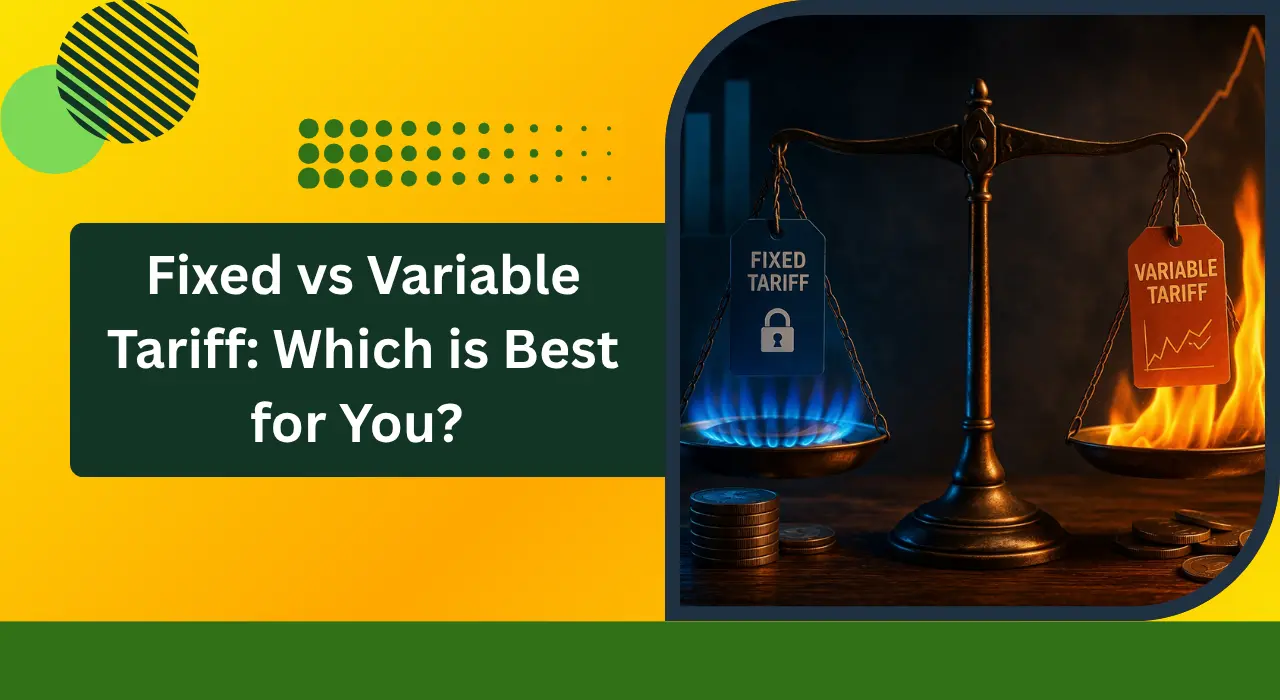
A fixed gas contract locks in your unit rate and standing charge for the duration of the agreement. This means that even if wholesale gas prices skyrocket, your rates remain the same. It offers excellent budget certainty and protects against market volatility.
Variable contracts, on the other hand, fluctuate based on the current wholesale energy market. If market prices drop, your business saves money. If prices rise, your costs increase. This option requires a higher risk tolerance but can yield substantial savings during market downturns.
Flexible Gas Contracts for Large Businesses
Flexible contracts are a hybrid solution available almost exclusively to very large consumers. Instead of purchasing all your energy at once, a flexible contract allows you to buy gas in distinct blocks throughout the year. Your energy team or broker watches the wholesale market and purchases energy when prices are favorable. This approach requires active management but offers the ultimate balance between risk and reward.
Key Features of Large Business Gas Contracts
When reviewing an energy agreement, certain elements demand your attention. Knowing what to look for prevents costly surprises down the road.
Contract Length and Terms in Gas Agreements
Large business contracts typically run anywhere from one to five years. Longer terms offer extended protection from price increases but lock you in if market prices drop. Pay close attention to volume tolerance clauses. These clauses state that you must consume a specific amount of gas within a set margin. If you use significantly more or less than forecasted, the supplier may penalize you financially.
Benefits and Risks of Large Business Gas Contracts
Every procurement strategy carries inherent advantages and potential downsides.
Benefits of Large Business Gas Contracts
The primary advantage is customization. You get pricing and terms based on your exact usage profile rather than a generic average. High-volume purchasing power also allows you to negotiate lower unit rates. Additionally, many large contracts come with dedicated account managers, giving you a direct line for resolving billing issues or optimizing your energy strategy.
Risks and Challenges of Gas Contracts
The biggest risk lies in market timing and volume forecasting. Signing a long-term fixed contract right before a massive drop in wholesale prices means you miss out on savings. Conversely, failing to understand volume tolerance clauses can result in heavy penalties if your business operations scale down unexpectedly or you implement aggressive energy efficiency measures.
How Pricing Works in Large Business Gas
Pricing for large consumers is complex, incorporating several different elements beyond just the raw cost of the fuel.
How Gas Prices Are Calculated for Large Businesses
Your final gas price includes the wholesale cost of energy, transportation charges, government taxes, and the supplier’s margin. Because large businesses use so much gas, the wholesale cost makes up a larger percentage of the bill compared to small businesses. Suppliers calculate your specific rate by assessing your peak usage times, your total volume, and your credit rating.
Role of Energy Suppliers and Brokers
Suppliers provide the actual gas and manage the billing. Energy brokers, however, act as intermediaries. A good broker leverages their industry relationships and market knowledge to negotiate better terms on your behalf. They analyze the market, present you with the best options from multiple suppliers, and handle the transition process.
Choosing the Right Large Business Gas Contract
Selecting the best agreement requires a deep understanding of your company’s financial health and operational future.
How to Choose the Right Contract
Start by analyzing your risk tolerance. If budget certainty is critical for your financial planning, a fixed contract is ideal. If you have the capital and expertise to absorb market fluctuations, a flexible or variable contract might be better. Always review your historical energy data to ensure accurate forecasting and avoid volume penalties.
When Is the Best Time to Sign a Gas Contract?
Timing the market is difficult, but you should ideally start looking at renewal options six to twelve months before your current contract ends. This window gives you ample time to monitor wholesale prices and strike when rates dip, rather than being forced to accept whatever rates are available in your final month.
Managing and Switching Gas Contracts
Managing an active contract involves regular monitoring of your bills to ensure you are meeting your volume forecasts. When it comes time to switch, do not wait until the last minute. Large business transfers can take several weeks to process. Notify your current supplier of your intent to leave within the required notice period, gather your half-hourly meter data, and work with your broker or new supplier to ensure a seamless transition.
Cost-Saving Tips for Large Businesses
Lowering your unit rate is just one way to reduce energy costs. Active energy management can make a significant impact on your overall gas spend. Here’s how:
Tips to Reduce Gas Costs
- Conduct Regular Energy Audits: Review your facilities periodically to identify areas where gas is being wasted.
- Upgrade Equipment: Replace old HVAC systems with energy-efficient models to reduce consumption.
- Improve Insulation: Proper building insulation helps retain heat and reduces the need for excessive gas use.
- Use Smart Building Systems: Smart meters and building management systems can optimise energy usage in real time.
- Shift Operations to Off-Peak Hours: If your contract allows time-of-use pricing, run non-essential operations when gas is cheaper.
Common Mistakes to Avoid
- Automatic Contract Rollovers: Allowing contracts to roll over can lead to paying significantly higher rates.
- Ignoring Fine Print: Overlooking terms such as volume tolerance limits or hidden pass-through charges can increase costs unexpectedly.
- Failure to Review Terms: Always read the full contract to understand obligations, fees, and potential penalties before signing.
By following these tips and avoiding common mistakes, large businesses can manage their gas expenses more effectively while ensuring a reliable supply.
UK Regulations for Large Business Gas Contracts
In the UK, the energy market is regulated by Ofgem. While micro-businesses have strict protections regarding mis-selling and contract roll-overs, large businesses are generally expected to have the resources to manage their own procurement. Therefore, large corporate contracts are less strictly regulated, placing the burden of due diligence entirely on the business. It is essential to ensure your broker is fully transparent about their commission structures, as required by recent industry transparency initiatives.
Take Control of Your Corporate Energy Strategy
Securing the best energy agreement requires diligence, market awareness, and strategic planning. Having large business gas contracts explained allows you to approach the procurement process with confidence. Start by analyzing your current usage data, evaluating your risk tolerance, and reaching out to industry experts to explore your options well before your current agreement expires.
FAQs About Large Business Gas Contracts
Managing energy for large organisations can be complex, and understanding your options is crucial. To help, here are some common questions answered in this guide, Large Business Gas Contracts Explained Simply.
1. What are large business gas contracts?
Large business gas contracts are tailored agreements between high-volume gas users and suppliers. They set the price, contract duration, and terms of service, helping businesses manage costs, ensure a reliable supply, and maintain flexibility for changing energy needs.
2. Who qualifies as a large business for gas supply?
A company typically qualifies as a large business if it consumes hundreds of thousands of kilowatt-hours (kWh) of gas annually. This includes manufacturers, hospitals, large corporate offices, and multi-site organisations.
3. How do large business gas contracts work?
Suppliers analyse a company’s historical usage and future projections to design a contract that fits its energy profile. This includes the unit rate, standing charges, and contract term. Smart or half-hourly meters ensure accurate billing based on actual consumption.
4. What are the benefits of large business gas contracts?
These contracts offer customised pricing, budget certainty, and dedicated account management. They also allow companies to leverage high-volume purchasing power and optimise their energy management strategies.
5. Why is it important to understand large business gas contracts?
Understanding these agreements helps businesses avoid penalties, control costs, and make informed decisions. This guide, Large Business Gas Contracts Explained Simply, gives you the knowledge to choose the right contract for your company.