
Managing energy costs is important for every business, and one key question is: how much is business gas per kWh in the UK? Gas prices can vary based on usage, contract type, and market trends. In this guide, we’ll quickly explain current rates and what affects them, so you can make smarter energy decisions.
What is the Average Business Gas Price per kWh in the UK?
When asking how much is business gas per kWh in the UK, it is important to understand that there is no single flat rate. Because commercial tariffs depend on a wide variety of factors, energy providers offer custom quotes rather than off-the-shelf prices. All prices provided in this guide are approximate estimates based on recent market trends and should be used purely as a benchmark.
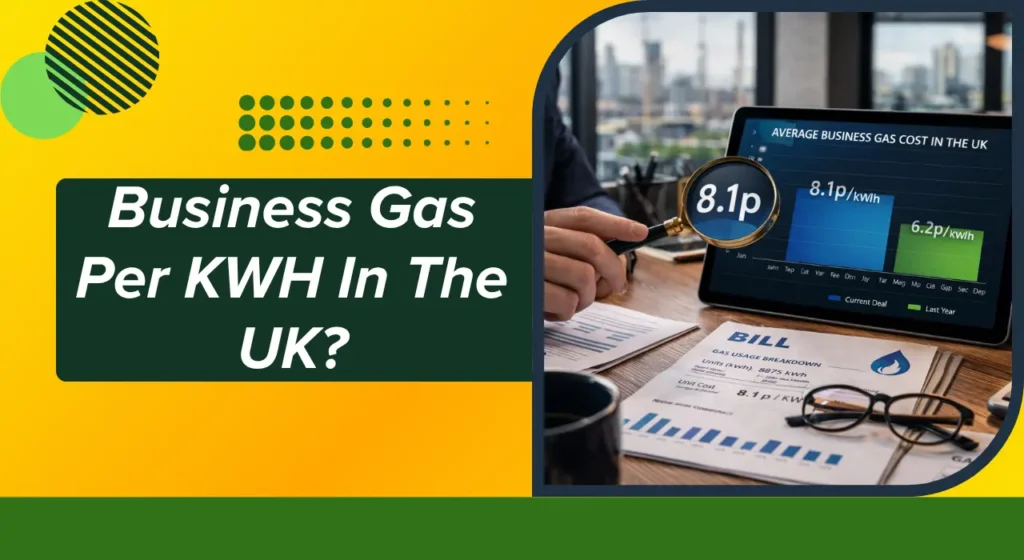
Currently, the average gas unit price UK business customers pay ranges between 6p and 10p per kWh. Alongside the unit rate, businesses must also pay a daily standing charge, which generally falls between 30p and 150p per day, depending on the size of the meter and the supplier. Businesses should compare different business gas prices and tariffs to find the best deal.
To give you a better idea of what you might expect to pay, we have put together an estimated price comparison table. Please note that these figures are rough estimates and actual quotes will vary.
| Business Size | Annual Usage (Estimated) | Estimated Price per kWh | Estimated Daily Standing Charge | Monthly Cost Estimate |
| Micro | Under 10,000 kWh | 8.5p – 10.5p | 35p – 45p | £75 – £95 |
| Small | 10,000 – 25,000 kWh | 7.5p – 9.5p | 45p – 60p | £100 – £200 |
| Medium | 25,000 – 50,000 kWh | 6.5p – 8.5p | 60p – 90p | £200 – £400 |
| Large | Over 50,000 kWh | 6.0p – 7.5p | 90p – 150p | £400+ |
These estimates highlight how larger consumers often access lower unit rates, though their overall monthly costs naturally remain much higher due to sheer volume.
Factors That Affect Business Gas Prices
You might wonder why your business gas tariffs in the UK differ from those of a similar company. Suppliers calculate your specific rate using a sophisticated risk assessment. They look at multiple variables before offering a final price.
Business Size and Gas Usage
Suppliers reward high consumption with lower unit rates. If your business uses a massive amount of gas to power industrial machinery or heat large warehouses, the supplier can buy energy in bulk on your behalf. Consequently, large enterprises secure a cheaper gas unit price UK business average compared to small retail shops or independent cafes.
Location of Your Business
Your geographical location directly impacts your energy bills. Energy suppliers face different costs to transport gas through the national network depending on where you are based. If your premises are situated far from major gas distribution hubs, you will likely pay a slightly higher unit rate or standing charge to cover the transportation and infrastructure costs.
Contract Type (Fixed vs Variable)
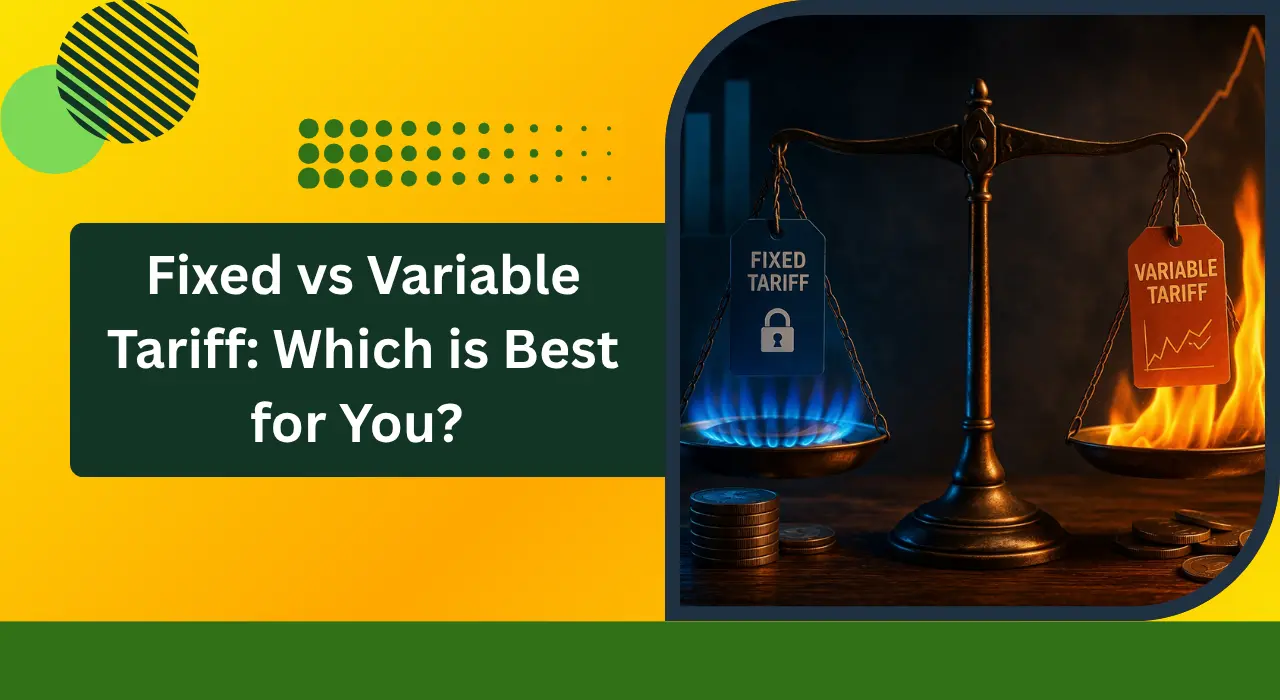
The level of risk you are willing to take on plays a major role in your pricing. Fixed-rate contracts lock your price in for a set duration, protecting you from sudden market spikes. Variable contracts fluctuate with the market, meaning your bills can drop when wholesale gas is cheap, but they will soar if global energy markets experience a crisis.
Wholesale Gas Market Prices
Suppliers buy gas on the open wholesale market before selling it to you. Geopolitical events, global supply chain issues, and severe weather conditions all dictate wholesale prices. When the wholesale market experiences volatility, suppliers pass those increased costs onto the consumer, leading to higher quotes for new contracts. These changes are also monitored by Ofgem, the UK’s energy regulator that ensures fair pricing and protects business consumers.
Business Gas Prices by Contract Type
When you secure a new energy deal, you must choose a contract structure that suits your financial planning. Each contract type carries its own advantages and risks.
Fixed Rate Contracts
A fixed-rate contract guarantees that your unit price per kWh and your daily standing charge will not change for the duration of the agreement. This duration usually lasts between one and three years. Businesses prefer fixed tariffs because they offer financial certainty. You can accurately forecast your overheads without worrying about sudden market crashes or global energy shortages driving up your bills.
Variable Rate Contracts
With a variable-rate contract, the unit price you pay moves up and down in line with the wholesale energy market. If the global price of gas drops, you immediately benefit from cheaper bills. Conversely, if prices surge, your monthly expenses will increase. These contracts offer flexibility, as they usually require a shorter notice period to cancel, but they make long-term financial forecasting quite difficult.
Flexible Gas Contracts
Flexible purchasing contracts are typically reserved for large enterprises with massive energy demands. Instead of buying all their energy upfront at a set price, these businesses buy gas in tranches throughout the year. They monitor the wholesale market and purchase energy when the prices dip. This requires a deep understanding of energy trading and is generally managed by dedicated energy brokers.
How Business Gas Prices Are Calculated
Understanding your bill is the first step to reducing it. Commercial energy invoices contain several different charges, and knowing what each one means helps you identify areas for savings.
Cost per kWh Explained
The kilowatt-hour (kWh) is the standard unit of measurement for energy consumption. When you ask how much is business gas per kWh in the UK, you are asking for the baseline cost of the raw fuel you consume. Every time you turn on the heating or run gas-powered equipment, your meter records the kWh used. You multiply your total kWh usage by your agreed unit rate to find your primary energy cost.
Standing Charges and Other Fees
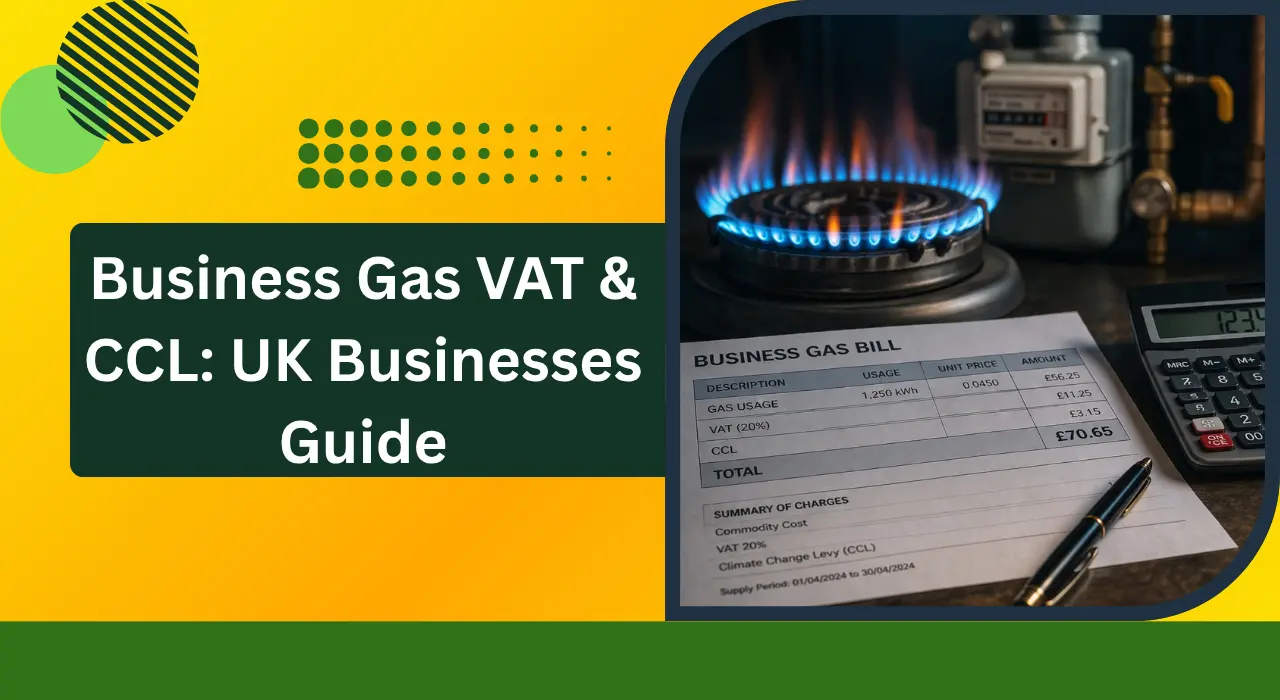
The unit rate is only one part of the equation. Your supplier will also charge a daily standing charge. This is a fixed daily fee that covers the cost of maintaining the gas network, reading your meter, and keeping your property connected to the grid. You have to pay the standing charge regardless of whether you actually use any gas that day. Your bill will also include the Climate Change Levy (CCL), which is a government tax designed to encourage businesses to become more energy efficient, alongside standard VAT.
Average Business Gas Costs by Business Size
Business size remains one of the heaviest factors in determining your rates. Let us look at what different tiers of companies can expect regarding UK business energy costs.
Small Businesses
Small businesses, such as independent retail stores, small offices, or local salons, typically consume less than 25,000 kWh of gas annually. Because their volume is relatively low, they face slightly higher unit rates, often hovering around 7.5p to 9.5p per kWh. Their focus should be on securing fixed-rate deals to prevent unexpected bill spikes from damaging their cash flow.
Medium Businesses
Medium-sized businesses, including large restaurants, medium-sized manufacturing facilities, or multi-story office blocks, use between 25,000 and 50,000 kWh. They have more negotiating power than smaller companies. Suppliers view them as stable, profitable clients and will often offer unit rates between 6.5p and 8.5p per kWh.
Large Businesses
Large commercial operations using well over 50,000 kWh annually have the strongest purchasing power. This category includes heavy manufacturing plants, massive distribution centers, and large corporate campuses. They secure the lowest unit rates, generally sitting between 6.0p and 7.5p per kWh. Many of these companies use flexible purchasing contracts or employ dedicated brokers to actively trade their energy usage on the wholesale market.
How to Get the Cheapest Business Gas Rates in the UK
- Don’t accept the first renewal offer
Energy suppliers often increase prices during contract renewal, so it’s important to explore other options instead of automatically agreeing to the new rate. - Compare multiple suppliers regularly
Checking different suppliers through comparison tools or brokers helps you find better deals and ensures you’re not overpaying for your business gas. - Existing customers may not get the best deals
Many suppliers offer lower prices to new customers, so switching providers can sometimes lead to significant savings. - Choose the right contract length
Selecting a contract based on market conditions can help you save money—long-term contracts work well when prices are low, while short-term contracts give flexibility when prices are high. - Improve energy efficiency in your business
Reducing gas usage through better insulation, smart thermostats, and regular boiler maintenance can significantly lower your overall energy costs.
How to Compare Business Gas Prices in the UK
Comparing business gas tariffs in the UK requires some preparation since prices are tailored to each business and not publicly fixed. You’ll need details from a recent energy bill, including your MPRN, annual gas usage in kWh, current supplier, and contract end date. With this information, you can request quotes from suppliers or use a broker, who can often access better deals. Always compare both the unit rate and standing charge to ensure you’re getting the best overall value.
Tips to Reduce Your Business Gas Bill
Securing a great unit rate is fantastic, but reducing your physical usage is the ultimate way to lower costs. Here are a few practical steps you can implement immediately:
- Install a Smart Meter: Smart meters send accurate, real-time data directly to your supplier. This eliminates estimated billing and ensures you only pay for exactly what you consume.
- Audit Your Usage: Walk through your premises after hours. You might be surprised to find heating left on in empty rooms or machinery running on standby.
- Maintain Your Equipment: A poorly maintained boiler has to work twice as hard to produce the same amount of heat. Schedule annual servicing for your HVAC systems to ensure they run at maximum efficiency.
- Educate Your Staff: Create a culture of energy awareness. Encourage employees to turn down thermostats by just one degree, keep doors closed to trap heat, and report drafts or maintenance issues quickly.
- Check for Exemptions: Some companies, such as charities or those operating in specific energy-intensive sectors, qualify for reductions on the Climate Change Levy (CCL) or VAT.
Conclusion
Understanding how much is business gas per kWh in the UK is essential for managing your energy costs effectively. Prices can vary depending on factors like contract type, business size, and market conditions. By comparing suppliers, choosing the right contract, and improving energy efficiency, businesses can reduce costs and secure better deals. Staying informed helps you make smarter decisions and keep your energy bills under control
Frequently Asked Questions (FAQs)
Here are some common questions businesses ask about how much is business gas per kWh in the UK:
Q1. How much is business gas per kWh in the UK on average?
The average cost of business gas in the UK typically ranges between 6p to 10p per kWh, depending on market conditions and contract type.
Q2. Why does business gas per kWh in the UK vary?
Prices vary due to factors like energy market changes, business size, location, and whether you choose a fixed or variable contract.
Q3. Are business gas rates cheaper than domestic rates in the UK?
Business gas rates can sometimes be cheaper, especially for high-usage businesses, but they depend on negotiated contracts rather than fixed tariffs.
Q4. How can I get the cheapest business gas per kWh in the UK?
You can reduce costs by comparing suppliers, locking in fixed-rate contracts at the right time, and improving your business’s energy efficiency.