
Managing energy costs is one of the biggest challenges for small businesses. micro business gas contracts are designed specifically for very small enterprises to provide clear terms, regulatory protections, and cost-effective solutions. Understanding these contracts can help business owners save money, avoid unfair fees, and make informed decisions when choosing a gas supplier. This guide explains whatmicro business gas contracts are, their key features, eligibility criteria, and how to switch suppliers for the best deal.
What are Micro Business Gas Contracts?
Energy suppliers categorize businesses based on their size and energy consumption. This categorization dictates the types of contracts they offer and the regulatory protections applied to the customer.
Definition of a Micro Business Gas Contract
A micro business gas contract is a commercial energy agreement tailored specifically for very small enterprises. Regulatory bodies, such as Ofgem in the UK, define “micro businesses” using strict criteria related to employee headcount, financial turnover, and annual energy usage. Because these companies lack the bargaining power and dedicated energy procurement teams of large corporations, micro business gas contracts include built-in regulatory protections. These protections mandate clearer billing, transparent contract end dates, and fairer renewal processes.
Difference Between Micro and Standard Business Gas Contracts
The primary difference lies in the level of regulatory protection. Standard business gas contracts, designed for larger corporations, assume the buyer has extensive market knowledge. They often feature complex clauses, auto-renewal policies without warning, and high exit fees.
Micro business contracts require suppliers to provide clear written terms, prominently display contract end dates on all bills, and send formal renewal letters before a contract expires. Additionally, micro businesses have access to independent ombudsman services to resolve supplier disputes, a privilege not always extended to large industrial energy consumers.
Types of Gas Contracts for Businesses
When securing a gas supply, micro businesses can choose from several tariff types. Selecting the right one depends on your budget flexibility and risk tolerance.
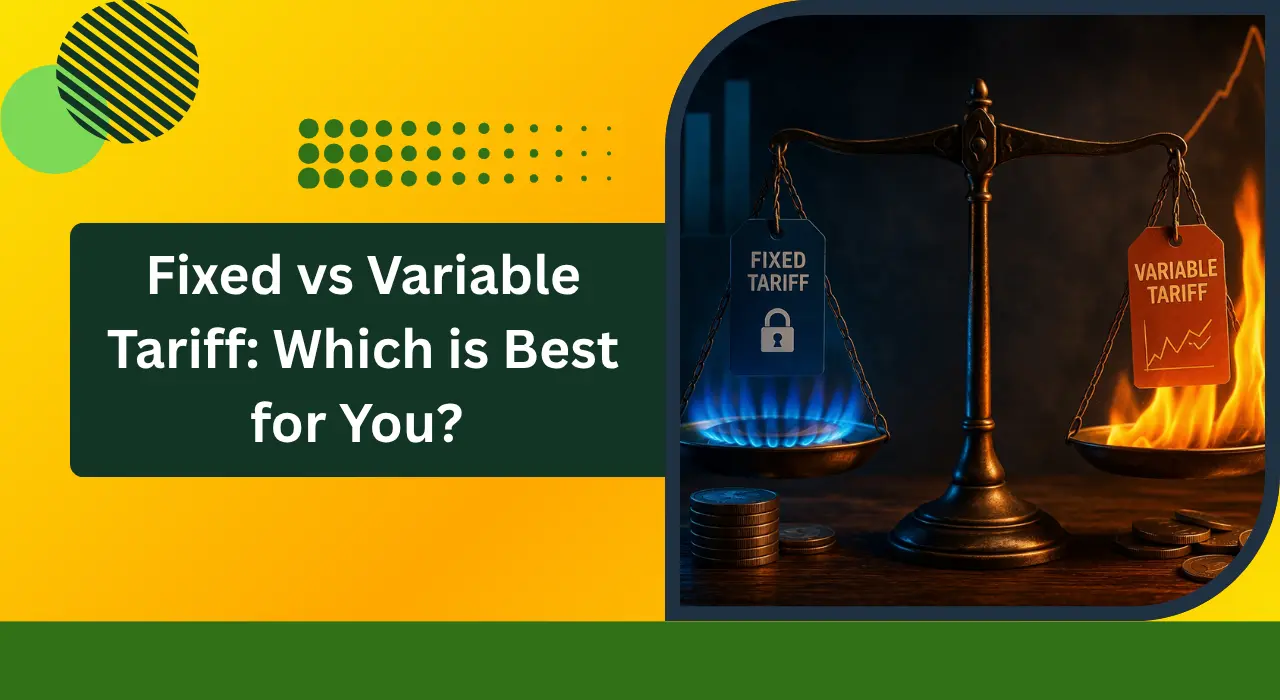
Fixed-Rate Gas Contracts
A fixed-rate gas contract locks in the price you pay per unit of gas (kWh) and your daily standing charge for the duration of the agreement. This term usually lasts between one and three years. Fixed rates shield your business from sudden spikes in wholesale energy markets, making financial forecasting highly predictable. However, if market prices drop significantly, you will remain stuck paying the higher agreed-upon rate until your contract ends.
Variable-Rate Gas Contracts
Variable-rate contracts fluctuate based on the wholesale price of gas. If market prices fall, your business benefits from cheaper energy bills immediately. Conversely, if prices rise due to geopolitical events or supply shortages, your costs will increase accordingly. These contracts offer high flexibility, often requiring only 30 days of notice to switch suppliers, but they make budgeting difficult for small businesses with tight margins.
Flexible Gas Contracts
Flexible gas contracts allow businesses to buy their energy in chunks throughout the contract term rather than locking in a single price upfront. While traditionally reserved for large industrial consumers, some suppliers now offer scaled-down flexible purchasing options for smaller businesses. This approach requires active market monitoring and carries a higher risk, but it can yield significant savings if timed correctly.
Who Can Get a Micro Business Gas Contract?
Not every small enterprise automatically qualifies for these specific contracts. Regulatory bodies use precise metrics to determine eligibility.
To understand how your business compares to others, see the micro vs small business gas difference.
Eligibility Criteria
To be classified as a micro business for energy purposes, your company must meet specific thresholds. The criteria generally focus on your employee count and your annual financial performance. If your business is part of a larger franchise or corporate group, the supplier will evaluate the entire group’s metrics rather than your individual branch.
Business Size and Consumption Limits
In the UK, Ofgem defines a micro business as one that meets at least one of the following conditions:
- Employs fewer than 10 employees (or their full-time equivalent) and has an annual turnover or balance sheet no greater than €2 million.
- Consumes less than 100,000 kWh of electricity per year.
- Consumes less than 293,000 kWh of gas per year.
If your business meets any single criterion from this list, energy suppliers must treat you as a micro business customer.
Features of a Micro Business Gas Contract
Micro business contracts contain specific clauses and features designed to protect small enterprise owners from predatory practices.
Contract Length and Renewal Options
Most fixed-term contracts for micro businesses last between 12 and 36 months. Historically, suppliers could automatically roll businesses into expensive new contracts if they failed to negotiate a new deal before the deadline. Current regulations require suppliers to send a renewal letter detailing the new proposed rates and clearly stating the deadline to switch or negotiate. Suppliers can no longer lock micro businesses into a new contract without explicit consent.
Billing and Metering
Suppliers must ensure their billing processes are transparent. Your gas bill will clearly state your current unit rate, your standing charge, your contract end date, and the final date you must give notice if you plan to switch. Many suppliers now include smart meter installation as part of the contract, which eliminates estimated billing and ensures you only pay for the gas you actually consume.
Exit Fees and Terms
Exiting a commercial gas contract early usually incurs financial penalties. However, micro business protections cap these exit fees to ensure they are proportionate to the supplier’s actual financial loss. Once you enter your designated “switching window”—usually 60 days before the contract end date—you can leave the supplier without paying any exit fees.
Benefits of a Micro Business Gas Contract
Securing the right micro business contract offers several advantages. The primary benefit is financial stability. By locking in a fixed rate, you protect your bottom line against volatile energy markets.
Furthermore, the regulatory protections provide peace of mind. You receive clear communication regarding your contract status, preventing expensive rollover tariffs. Finally, these contracts give you access to the Energy Ombudsman, providing a free, impartial resolution service if you experience unresolved issues with your supplier regarding billing, switching, or customer service.
How to Switch to a Micro Business Gas Contract
Switching gas suppliers is a straightforward administrative process that requires zero physical changes to your pipes or meters.
- Check your current contract: Review your latest bill to find your contract end date and notice period.
- Gather your details: You will need your latest bill, your annual gas consumption (in kWh), and your Meter Point Reference Number (MPRN).
- Compare rates: Use a commercial energy broker or a comparison website to review available tariffs from different suppliers.
- Sign the new agreement: Once you select a tariff, sign the contract with the new supplier.
- Let the supplier handle the rest: Your new supplier will contact your old supplier to arrange the switch. The process typically takes about two to three weeks.
Top Gas Suppliers for Micro Businesses in the UK
The commercial energy market features a mix of massive multinational companies and smaller, specialized suppliers.
- British Gas Lite: A digital-only offshoot of British Gas designed specifically for small businesses, offering competitive rates in exchange for online-only customer service.
- EDF Energy: Known for zero-carbon electricity, they also provide robust gas contracts with excellent customer service ratings for small businesses.
- Octopus Energy: Highly rated for transparency and customer service, Octopus offers fair pricing and does not charge exit fees on their standard business tariffs.
- Valda Energy: A specialized commercial supplier focusing heavily on the SME and micro business market, utilizing smart meter technology to optimize billing.
Tips to Reduce Your Gas Costs
Securing a great contract is only half the battle. Reducing your actual consumption is the most effective way to lower your bills.
- Upgrade your thermostat: Install a smart thermostat to ensure the heating only runs during operating hours.
- Service your boiler: An annual boiler service ensures the equipment runs efficiently, utilizing less gas to produce the same amount of heat.
- Improve insulation: Draft-proof windows and doors to keep heat inside the building.
- Educate staff: Create a company culture focused on energy efficiency, encouraging employees to turn down radiators in empty rooms.
Conclusion
Micro business gas contracts offer small enterprises the perfect balance between protection and flexibility. By understanding the types of contracts, eligibility requirements, and key features, business owners can secure a fair deal, reduce their energy costs, and avoid hidden fees. Coupled with smart energy practices like efficient heating and insulation, these contracts can significantly improve financial stability and operational efficiency for micro businesses.
FAQs About Micro Business Gas Contracts
Here are some common questions small business owners ask about micro business gas contracts:
Q1:What is the difference between a micro business gas contract and a standard business gas contract?
A micro business contract comes with regulatory protections, clear billing, and fair renewal terms, while standard contracts are designed for larger businesses and may include complex clauses and high exit fees.
Q2:Who is eligible for a micro business gas contract?
A business with fewer than 10 employees, annual turnover under €2 million, or gas consumption below 293,000 kWh per year typically qualifies as a micro business in the UK.
Q3:Can I switch my gas supplier before the contract ends without paying penalties?
Yes, micro business protections limit exit fees, and during your designated switching window—usually 60 days before the contract ends—you can switch suppliers without paying any penalties.
Q4:What are the types of micro business gas contracts available?
The main types are fixed-rate, variable-rate, and flexible contracts, each offering different levels of price security, flexibility, and potential savings depending on your business needs.