
Signing a business energy contract can be confusing because it is often filled with complex legal terms that are difficult to understand. Many suppliers use technical language, which makes it important for business owners to read carefully.
Unlike domestic contracts, commercial agreements under Business Gas Terms and Conditions are legally binding and usually have strict cancellation rules. Missing key details can lead to extra charges, automatic renewals, or penalties.
This guide helps you understand these contracts in simple terms so you can avoid hidden costs, know your rights, and make better energy decisions for your business.
What Are Business Gas Terms and Conditions?
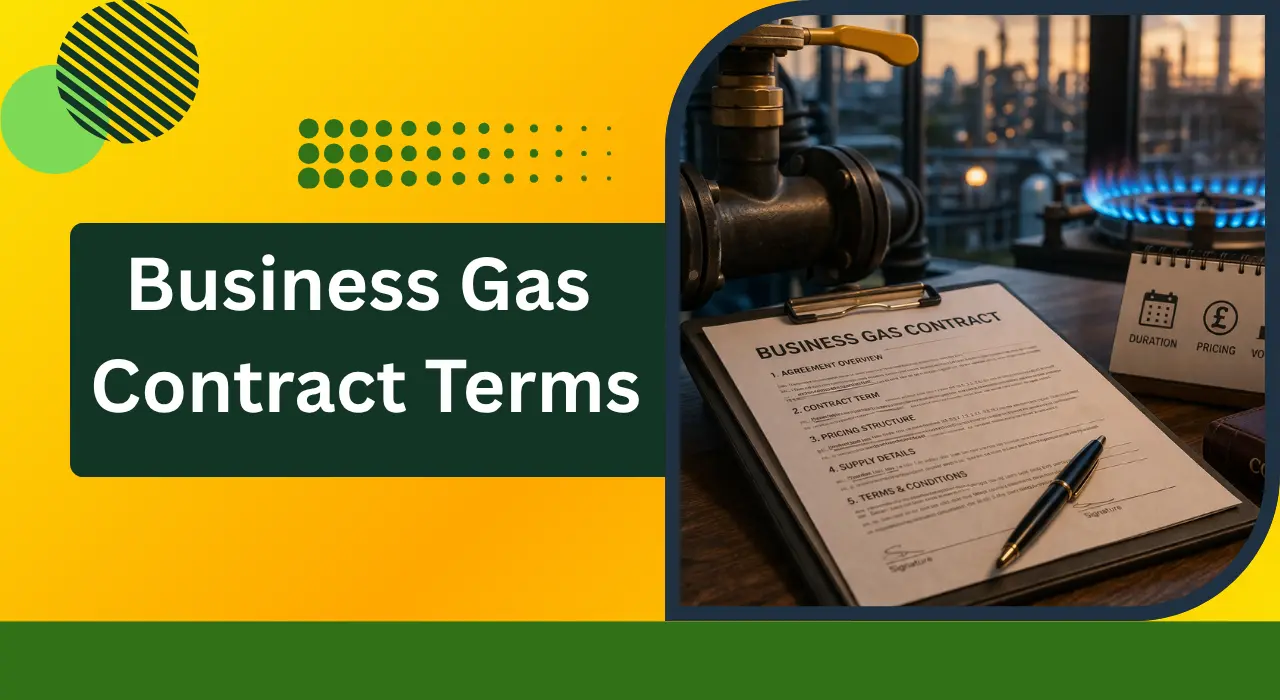
Business gas terms and conditions are the legally binding rules that govern the relationship between your company and your energy supplier. These documents outline how much you will pay for your gas, how long the agreement lasts, and the specific obligations both parties must meet. They define the framework of your energy supply, covering everything from unit rates to dispute resolution processes.
Why Business Gas Terms and Conditions Matter
Ignoring the fine print can lead to severe financial consequences. Commercial energy contracts operate differently than residential ones. There is usually no cooling-off period, meaning once you sign, the contract is active immediately. Furthermore, commercial agreements often include rollover clauses that automatically renew your contract at highly inflated rates if you fail to cancel within a specific time frame. Knowing the rules protects your bottom line.
Key Elements of a Business Gas Contract
Every commercial energy agreement contains core components that dictate how your service operates.
Contract Length and Renewal Terms
Most commercial gas contracts run for one to three years. The terms will specify the exact end date and the specific notice period required to terminate or switch suppliers. Missing this notice period often triggers an automatic renewal.
Pricing Structure and Unit Rates
This section details how your energy usage is priced. It includes the unit rate (the cost per kilowatt-hour of gas used) and the standing charge (a fixed daily fee for being connected to the network, regardless of usage).
Billing Cycles and Payment Terms
Your contract will state how often you receive an invoice and the acceptable payment methods. Many suppliers require direct debit and may apply surcharge fees if you choose to pay via bank transfer or credit card.
VAT and Government Charges
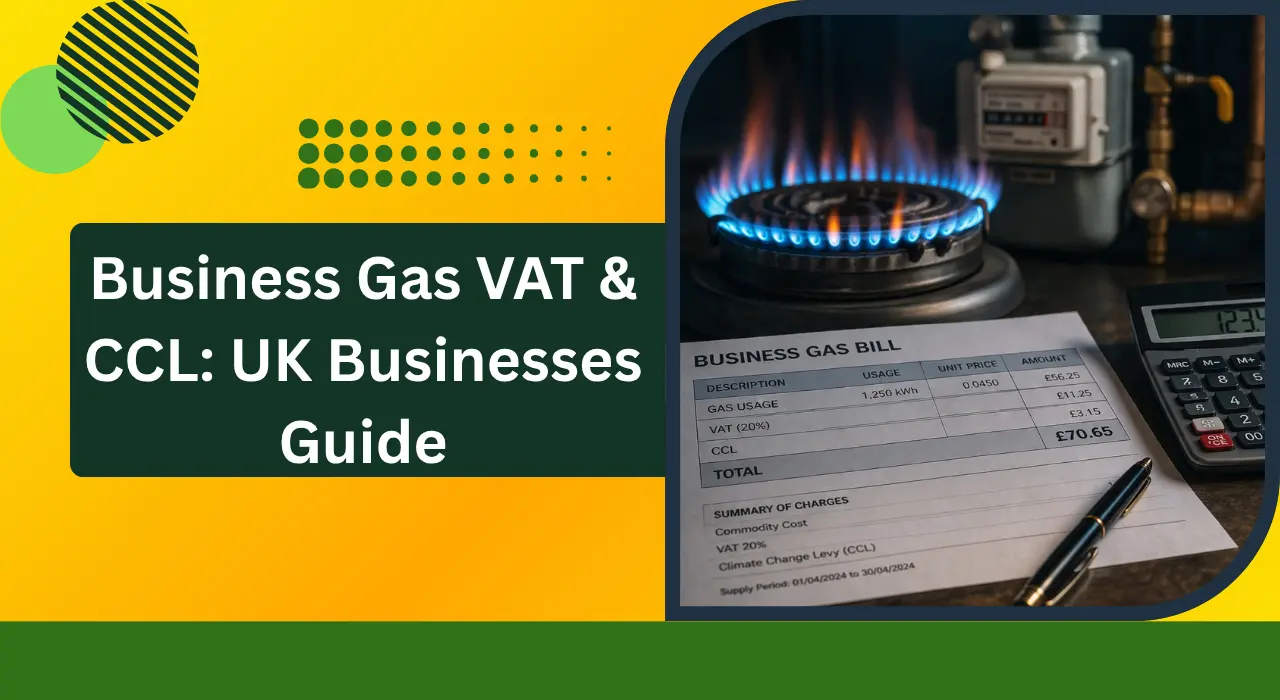
Commercial energy bills include Value Added Tax (VAT) and the Climate Change Levy (CCL). The terms will explain how these taxes are applied to your final bill. Depending on your business type, you might be eligible for reduced VAT rates or CCL exemptions.
👉You can check official tax details on GOV.UK.
Fixed vs Variable Gas Contracts
Choosing the right pricing model is a significant decision for any organization.
👉 For a detailed comparison, read Fixed vs Variable Tariff: Which is Best for You?
Fixed Rate Contracts Explained
A fixed-rate contract locks in your unit rate and standing charge for the duration of the agreement. This means you are shielded from wholesale market fluctuations, allowing for accurate budget forecasting.
Variable Rate Contracts Explained
Variable-rate contracts allow your unit price to fluctuate based on the wholesale energy market. If market prices drop, your bills decrease. If prices spike, your costs will rise accordingly.
Which Contract Type Is Better for Businesses?
Fixed contracts offer peace of mind and budget certainty, making them ideal for most small to medium enterprises. Variable contracts might suit companies that can quickly adapt to changing costs or those who want to gamble on falling energy prices.
Exit Fees and Early Termination Charges
Suppliers purchase energy in advance based on your projected usage. If you leave your contract early, they lose money. Consequently, business gas terms and conditions almost always include hefty early termination fees to recover these lost costs.
Price Changes and Hidden Charges Explained
Your monthly bill can sometimes look different than your agreed-upon unit rate.
How Suppliers Adjust Prices
Even on a fixed contract, suppliers can sometimes pass on non-commodity costs. These are charges related to network maintenance or government levies. The terms and conditions will specify under what exact circumstances your final billed amount can change.
Common Hidden Fees in Gas Contracts
Watch out for late payment penalties, paper billing fees, and charges for smart meter installations. Some suppliers also include volume tolerance clauses, meaning you could be penalized if you use significantly more or less gas than you initially estimated.
Rights and Responsibilities of Business Customers
Both you and your supplier have obligations under the contract.
Customer Rights Under UK Energy Rules
While commercial protections are less robust than residential ones, you still have rights. Microbusinesses, for instance, receive extra protections regarding back-billing limits and clearer contract disclosures from brokers.
Supplier Responsibilities
Your supplier must provide accurate billing, maintain the gas meter, and notify you in writing before your contract is due to end. They are also obligated to handle complaints within a specified timeframe.
Common Hidden Clauses in Gas Contracts
Many contracts contain a “take-or-pay” clause, which forces you to pay for a minimum amount of gas even if you do not use it. Another common trap is the automatic rollover clause, which binds you to a new, usually more expensive, contract if you forget to submit a termination notice on time.
How to Read Business Gas Terms and Conditions Easily
Start by requesting the principal terms document, a summarized version of the main contract. Look specifically for the contract end date, the notice period required to leave, the unit rate, the standing charge, and the exit fees. Use a highlighter for these key metrics and ask the supplier to clarify anything you do not immediately understand.
Tips to Avoid Unfair Gas Contract Terms
Protecting your business from unfair gas contracts requires careful planning and a proactive approach when choosing or renewing a supplier.
- Always compare multiple suppliers instead of accepting the first renewal offer from your current provider
- Use a broker or comparison service to check market rates and ensure you are getting a competitive deal
- Set reminders for your contract renewal window and notice period (usually 30 to 120 days before expiry)
- Inform your supplier on time if you want to switch or renegotiate your contract
- Carefully read the exit and termination clauses before signing any agreement
- Understand the fees for early termination, especially if you move or sell your business during the contract term
Taking Control of Your Energy Contracts
Understanding business gas terms and conditions is a vital part of running an efficient operation. By familiarizing yourself with unit rates, hidden fees, and renewal windows, you can prevent your supplier from taking advantage of your company. Your next step should be to locate your current energy contract. Find the end date, calculate your required notice period, and set a firm calendar reminder to start comparing quotes at least four months before your agreement ends.
FAQs About Business Gas Terms and Conditions
Here are some commonly asked questions to help you better understand business gas terms and conditions and make informed decisions before signing a contract.
1. What are business gas terms and conditions?
Business gas terms and conditions are the legal rules included in an energy contract. They explain key details such as pricing, billing structure, contract length, payment terms, and the responsibilities of both the supplier and the business customer.
2. Why are business gas contracts different from domestic contracts?
Business gas contracts are more formal and legally binding compared to domestic contracts. They usually do not include price caps or cooling-off periods, which means businesses must carefully follow the agreed terms for the full contract period.
3. Can I cancel a business gas contract early?
Yes, but early cancellation often results in exit fees or penalties. The exact charges depend on the contract terms, so it is important to review the termination clause before signing any agreement.
4. What should I check before signing a gas contract?
Before signing, you should review unit rates, standing charges, contract duration, renewal terms, and any hidden fees. Understanding these details helps you avoid unexpected costs later.
5. How can I avoid unfair gas contract terms?
To avoid unfair terms, compare different suppliers, read the contract carefully, and ask questions about anything unclear. Always check renewal windows, exit fees, and pricing conditions before agreeing to a deal.