
Running a business in the UK is expensive — and overpaying for gas can quietly increase your costs every month. Many businesses don’t realise they are paying more than they should simply because they don’t understand how the UK business gas market works.
Unlike household energy, the business gas market is deregulated, meaning prices are flexible and suppliers compete to offer different deals. This gives businesses the opportunity to compare rates, choose better contracts, and reduce overall energy costs.
What is the Business Gas Market?
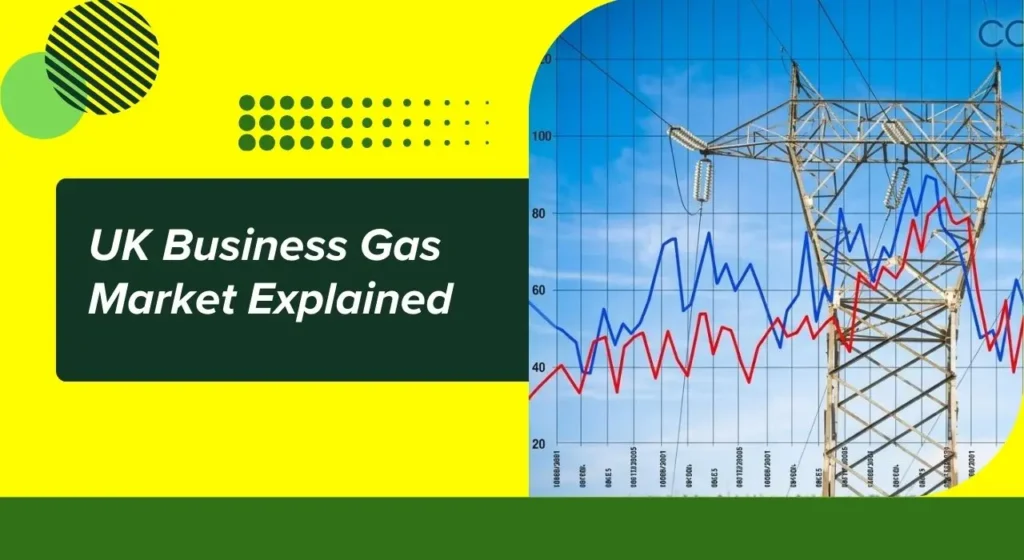
The UK business gas market is a deregulated energy system where businesses can choose their gas supplier and negotiate contract terms based on their usage and requirements.
Unlike the domestic market, business gas prices are not fixed, which means rates can vary depending on consumption levels, contract type, and wholesale market conditions. This flexibility allows businesses to compare multiple suppliers, access competitive tariffs, and secure better energy deals.
However, without a clear understanding of how the market works, many businesses end up paying higher rates than necessary. Knowing how the UK business gas market operates helps businesses make informed decisions and avoid costly energy contracts.
How the Business Gas Market Works in UK
The UK business gas market works through a structured supply chain that delivers gas from production sources to commercial properties across the country.
Gas is sourced from domestic production in the North Sea as well as imports from Europe and global LNG suppliers. This supply is then transported, processed, and delivered through a national network before reaching your business meter.
From Source to Business
Gas used in the UK comes from a mix of North Sea reserves, pipeline imports from Europe, and Liquefied Natural Gas (LNG) shipments from international markets. These sources ensure a continuous gas supply based on demand and market conditions.
Delivery Through Networks
Once processed, gas enters the National Transmission System (NTS), which transports it across the UK. It is then distributed through regional Gas Distribution Networks (GDNs), which reduce pressure and deliver gas safely to local businesses.
Supplier Role
Gas suppliers purchase energy from the wholesale market and offer business gas contracts, tariffs, and billing services. They act as the main point of contact for pricing, account management, and customer support.
Key Players in the UK Business Gas Market
The gas supply chain involves several key players that work together to deliver energy from source to commercial properties.
- Producers & Importers: Supply natural gas from the North Sea and global markets, ensuring consistent availability.
- National Grid: Transports gas across the country through the high-pressure transmission system.
- Gas Distribution Networks (GDNs): Deliver gas locally by reducing pressure and managing regional pipelines.
- Suppliers: Provide contracts, tariffs, and billing services to businesses.
How Business Gas Prices Are Set
Business gas prices are determined by a combination of wholesale energy costs, network charges, and supplier pricing structures. Each component plays a role in shaping the final rate businesses pay per kWh.
These costs are not fixed and can change based on market conditions, infrastructure expenses, and supplier strategies. Understanding how pricing is built helps businesses compare offers more accurately and identify where savings are possible.
Wholesale Gas Prices
Wholesale gas costs form the largest part of business energy prices, as suppliers purchase gas from producers and global markets. These prices change frequently based on supply and demand, weather conditions, and geopolitical events. Because of this volatility, the timing of your contract can have a direct impact on the rate you secure.
Network Charges
After gas is purchased, it must be transported through the National Transmission System and delivered via regional distribution networks. These infrastructure costs are included in your bill and are regulated, meaning they cannot be negotiated and vary depending on your business location.
Supplier Costs & Margin
Suppliers add their own operating costs and profit margin to the final price. This includes billing, customer service, and metering services. Since each supplier has different cost structures and pricing strategies, this is where most price differences between providers occur.
What Affects UK Business Gas Prices
Business gas prices in the UK are not fixed and can change depending on several underlying factors that shape the energy market. These prices are largely influenced by supply and demand, seasonal weather patterns, global energy markets, and the type of contract a business chooses.
One of the biggest drivers is supply and demand. When demand increases, especially during colder months, prices tend to rise as more businesses rely on gas for heating and operations. During periods of lower demand, pricing can become more stable or even decrease.
Weather conditions also play a key role, as colder winters increase gas consumption across the UK and Europe, putting pressure on supply. In contrast, milder conditions often reduce demand and help stabilise prices.
At a broader level, the global gas market directly impacts UK business energy costs. Supply disruptions, geopolitical events, and changes in international production can all influence wholesale gas prices, which are then passed on to businesses.
Finally, the contract type you choose affects how these changes impact your costs. Fixed contracts provide price stability, while variable contracts follow market movements, meaning rates can rise or fall over time.
Why the UK Business Gas Market Matters
For UK businesses, gas is not just another utility bill — it is a core operating cost that directly affects profitability. Even small changes in energy prices can have a noticeable impact on monthly expenses, especially for businesses that rely heavily on heating, production, or daily operations.
One of the main advantages of the UK system is that it is deregulated, which gives businesses the freedom to choose their supplier instead of being locked into a single provider. This creates real competition in the market, allowing companies to compare prices, negotiate better contracts, and switch to more cost-effective options when needed.
At the same time, this flexibility also means responsibility. Without understanding how the market works, businesses can easily end up on expensive contracts or default rates that increase costs over time. Decisions such as when to switch, which tariff to choose, and how long to fix a contract can all influence how much you pay.
Managing energy properly is not just about saving money — it can also create a competitive advantage. Lower operating costs allow businesses to reinvest in growth, improve pricing strategies, and stay ahead in competitive industries where margins are tight.
How Businesses Can Get Better Gas Deals
Getting a better gas deal comes down to making informed decisions at the right time. Many businesses overpay simply because they don’t actively review their options or understand how pricing works in the commercial energy market.
One of the most effective ways to reduce costs is to compare suppliers rather than accepting the first renewal offer. Prices can vary significantly, and checking multiple quotes often reveals better deals.
It is equally important to fix your contract at the right time. Locking in a rate when prices are stable can protect your business from future increases and provide cost certainty.
Businesses should also make sure to avoid out-of-contract or rollover rates, as these are typically the most expensive and can increase your bills without warning.
Conclusion: Making Smarter Business Gas Decisions
Understanding how business gas prices work is no longer optional — it’s essential if you want to stay in control of your costs. From unit rates and standing charges to tariffs and contract timing, every decision you make has a direct impact on how much your business pays over time.
The reality is simple: businesses that take a proactive approach — who compare suppliers, fix contracts at the right time, and avoid expensive rollover rates — are the ones that consistently secure better deals.
In a market where prices change and suppliers compete for your business, staying informed gives you a clear advantage. Instead of overpaying without realising, you can take control, make smarter choices, and protect your bottom line.
Business Gas Prices & Tariffs FAQs
Here are some of the most common questions about business gas prices and tariffs in the UK, covering rates, contracts, charges, and cost-saving opportunities that businesses often overlook.
1. How much do businesses pay for gas in the UK?
Business gas prices in the UK are not fixed and usually vary based on usage, contract terms, and market conditions. On average, businesses pay between 6p and 12p per kWh, with larger companies often securing lower rates due to higher energy consumption and better negotiation opportunities.
2. Are transportation and distribution costs negotiable?
No, transportation and distribution costs are not negotiable. These charges are regulated and depend on your business location, as they cover the cost of using the national transmission system and local gas distribution networks that deliver gas to your premises.
3. What is the UK business gas market?
The UK business gas market is a deregulated energy system where companies are free to choose their gas supplier and contract type. Since prices are not set by the government, businesses can compare tariffs, negotiate rates, and switch suppliers to find more competitive energy deals.
4. Who are the key players in the business gas supply chain?
The gas supply chain involves several key players working together to deliver gas safely and efficiently. These include producers and importers, the National Grid, regional Gas Distribution Networks (GDNs), and energy suppliers, each responsible for different stages of supply from source to meter.
5. Why do business gas prices change frequently?
Business gas prices change due to fluctuations in the wholesale energy market, global supply and demand, and seasonal factors such as weather. External events like geopolitical issues or supply disruptions can also influence prices and lead to sudden increases or decreases.
6. Can businesses switch gas suppliers easily in the UK?
Yes, most businesses can switch gas suppliers once their contract ends or within an agreed switching window. However, switching during an active contract may involve exit fees, so it’s important to review your terms before making a move.